
International Student Guide to Studying Abroad in 2026

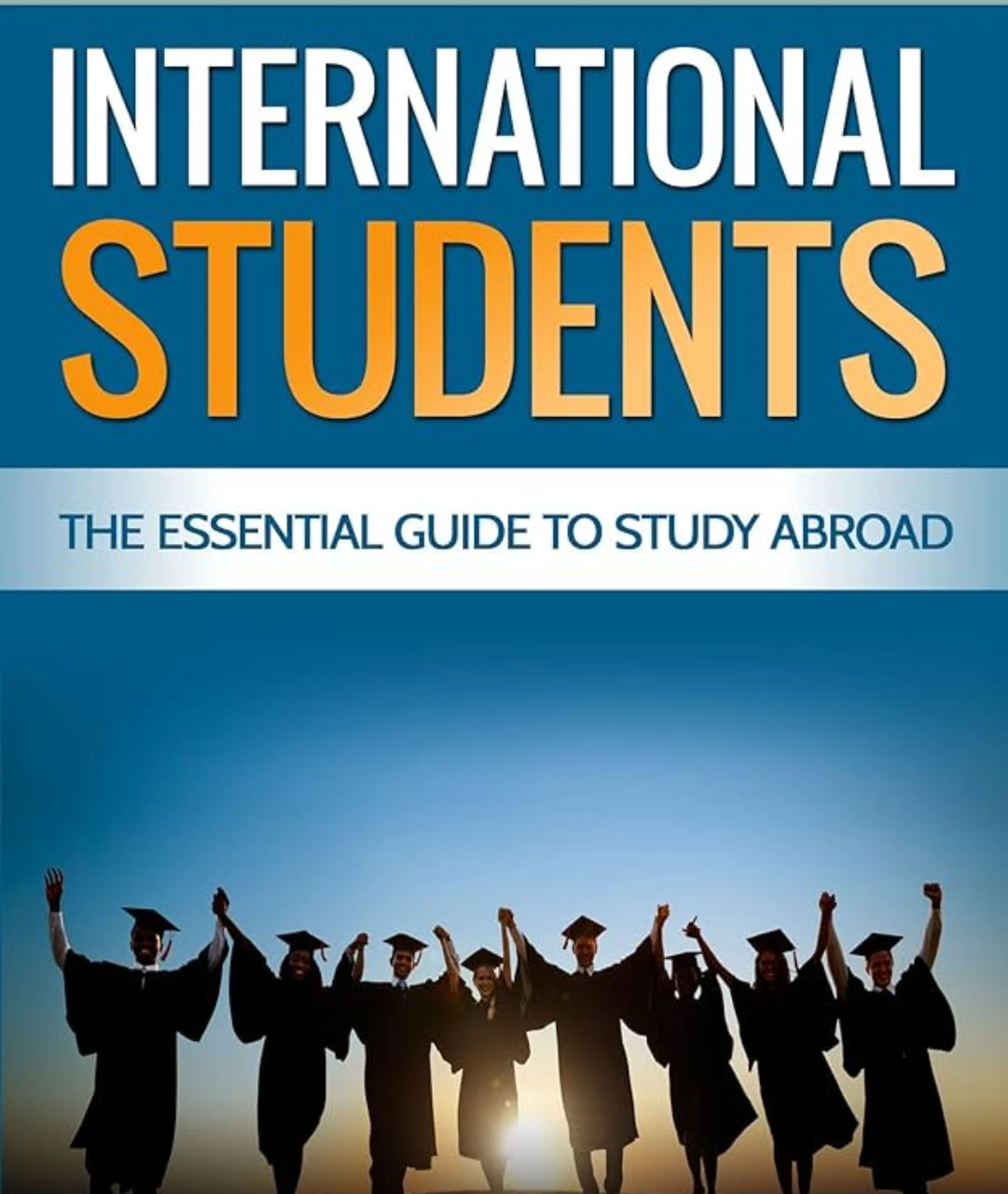
Everything You Need to Know Before You Go
So you’re thinking about studying abroad in 2026. Maybe it’s the idea of tech innovation in Canada, soaking in centuries of academic tradition in the UK, or discovering café life and ancient architecture in Italy. Whatever the dream, you’re far from alone.
Over 6 million students around the world are already studying internationally, and that number keeps growing.
But here’s the truth: dreaming about studying abroad is exciting. Actually making it happen? That’s the hard part.
Between choosing the right country, navigating visa requirements, covering costs, and planning your life in a brand-new environment, it can feel overwhelming quickly. That’s why we created this no-fluff, real-world guide to help you through the journey, step by step.
Let’s get started.
Why Study Abroad in 2026?
Is it still worth it? Absolutely.
We get it, studying abroad isn’t cheap. But it’s not just about killer travel photos or adding “international experience” to your LinkedIn. There are lifelong benefits:
✅ Specialized Programs
Some countries are global leaders in specific industries.
- Germany = engineering & robotics
- UK = business, law, arts
- Switzerland = hospitality
- Canada = computer science & environment
- Italy = architecture & design
✅ Career Opportunities
Many countries now offer post-study work visas, giving you time to find a job after graduation. Canada, Germany, Australia, and the UK have generous policies that can become a pathway to permanent residency.
✅ Global Perspective
Living abroad changes how you think, solve problems, and work with others. Employers love these soft skills, and honestly? So will you.
✅ Return on Investment (ROI)
With the right planning, scholarships, affordable countries, and part-time jobs, studying abroad becomes a smart investment, not a luxury.
Step 1: Choosing the Right Country
Choosing the right study destination is easily the toughest part. It’s not just about “famous countries”, it’s about what fits your goals, field of study, budget, and lifestyle.
Best Countries to Study Abroad in 2026
| Country | Best For | Pros | Things to Watch |
|---|---|---|---|
| UK | Business, Law, Humanities | Short programs, top universities, strong culture | High cost of living, new visa changes |
| Canada | IT, Engineering, Environment | Affordable, friendly immigration, work rights | Cold winters, competitive programs |
| Australia | Marine Biology, Science, Health | Post-study visas, world-class education | Expensive, far travel |
| Germany | Engineering, STEM | Tuition-free public universities, top tech | Language barriers for undergrads |
| USA | Tech, Liberal Arts, Research | Innovation, top schools, job market | Very expensive, tough visa system |
| France | Fashion, Culinary, Arts | Low tuition, European lifestyle | Language/administration challenges |
| Netherlands | International Business, Social Science | English-taught programs, student culture | Housing shortage in cities |
How to Choose the Right Country
Ask yourself:
- What’s my field of study?
- What’s my budget?
- Do I want to stay and work after graduation?
- Can I handle the weather, culture, and language?
Step 2: Research Universities & Programs
Now that you’ve narrowed down a country or two, it’s time to find the right program.
What to Look For:
- Accreditation: Especially for business schools, look for AACSB, EQUIS, AMBA.
- Course Structure: Are there internships included? (Some programs offer 12–19 months of work experience, like EM Lyon’s Global BBA.)
- Career Outcomes: What % of graduates find work within 6 months?
- Location: Big cities = more jobs but higher expenses. Smaller cities = better quality of life, lower cost.
Tools to Research:
- QS World University Rankings
- Times Higher Education
- StudyPortals
- LinkedIn (search alumni in your field)
- Reddit and student forums for truth bombs
Step 3: Understand Admissions Requirements
Universities have different requirements, but here’s what’s usually needed:
Academic Records:
Your GPA and transcripts, plus prerequisite subjects for certain majors (e.g., math for engineering).
Standardized Tests:
- English Proficiency: IELTS (6.0–7.5) or TOEFL (80–100)
- Other tests: SAT, ACT, GRE, GMAT (mostly for US schools or MBAs)
Personal Statement or Essay:
Tell your story. Why this program? What are your goals? Be honest, reflective, and future-focused.
Letters of Recommendation:
Pick professors, mentors, or employers who really know your work, not just a famous name.
Step 4: Plan Your Finances (The Real Talk)
Yes, studying abroad costs money. But it’s not out of reach.
What You’re Paying For:
| Expense | Estimate (per year) |
|---|---|
| Tuition | $5,000–$50,000+ depending on country |
| Living Cost | $8,000–$25,000 |
| Health Insurance | Country-dependent |
| Visa Fees | $100–$500 |
| Travel | Varies widely |
Funding Options:
- Government Scholarships: Chevening (UK), DAAD (Germany), Vanier (Canada), Fulbright (US)
- University Awards: Merit-based, need-based, departmental
- Private Scholarships: Use platforms like ScholarshipsCanada, Fastweb, ScholarshipPortal
- Loans & Part-Time Work: Many countries allow 20–40 hours of work per week during your studies
Students in Canada and Australia can earn up to $2,000/month working part-time!
Step 5: Navigating the Student Visa Maze
This part isn’t fun, but it’s critical. Here’s a quick cheat sheet:
Visa Basics:
✔️ University acceptance letter (offer)
✔️ Proof of funds
✔️ Valid passport
✔️ Health insurance
✔️ Visa application + biometrics
✔️ Sometimes: TB test, police clearance, translations
Approximate Visa Processing Times:
| Country | Processing Time |
|---|---|
| UK | ~3–6 weeks |
| Canada | Varies (Start Early!) |
| US | 3–6 weeks (after I-20 + SEVIS) |
| Australia | 4–8 weeks |
| Germany | 6–12 weeks |
| France | 4–8 weeks |
Tips for Visa Success:
- Apply early – some slots fill months in advance
- Organize your documents
- Be honest and clear in your visa interview
Step 6: Prepare for Takeoff
Congrats – you’re on your way! But don’t zone out just yet.
Essentials Before You Fly:
- Secure housing (university residence or private flat)
- Get student health insurance
- Set up a student bank account
- Buy local SIM card on arrival
- Pack light but smart (focus on essentials)
Don’t Forget These Docs:
- Passport + visa
- University acceptance
- Financial proof + insurance
- Academic records
- Emergency contacts
- Extra copies (paper and digital)
Life as an International Student
🗓 First 30 Days:
- Orientation, course registration, settling in
- Set up your budget + daily routine
- Start exploring – your campus, city, and local culture
Making Friends:
Join clubs, student associations, language exchanges, sports teams. This isn’t just “fun stuff” – it’s how you build your support system.
Working Part-Time:
Check your visa rules and stick to the work limits. On-campus jobs, restaurants, tutoring, or gigs in your major can help build your resume and finances.
Dealing with Homesickness:
It’s real – but temporary. Call home, stay active, make new friends, and don’t isolate. You’ll adjust more quickly than you think.
After You Graduate: What’s Next?
Many students turn their international degrees into career pathways abroad. Here’s how:
| Country | Post-Study Work Rights |
|---|---|
| Canada | PGWP – up to 3 years |
| Australia | 2–4 years |
| UK | Graduate Route – 2–3 years |
| Germany | 18-month job search visa |
| Netherlands | 1-year stay back visa |
These often lead to pathways for permanent residency
Mistakes First-Time International Students Make
🚫 Starting the process too late
🚫 Ignoring scholarship deadlines
🚫 Picking a school only for rankings
🚫 Underestimating cost of living
🚫 Violating visa conditions
🚫 Not getting involved on campus
🚫 Forgetting to explore and travel
Pro Tip: The journey is about MORE than grades. It’s about growth.
Final Thoughts: Is Study Abroad Worth It?
Yes. A thousand times yes.
No, it’s not easy. But it’s transformational.
You’ll face challenges, but you’ll grow. You’ll gain independence, cultural awareness, confidence – and a serious boost to your career.
Years from now, this will be the chapter of your life you still talk about.
Need Help Planning Your Study Abroad Journey?
That’s why we’re here. At Study Abroad Advice, we offer honest, expert guidance to help you find the right program, country, and funding and we guide you through the entire process.
📩 Message us to get started. Let’s make your study abroad dream real.

