
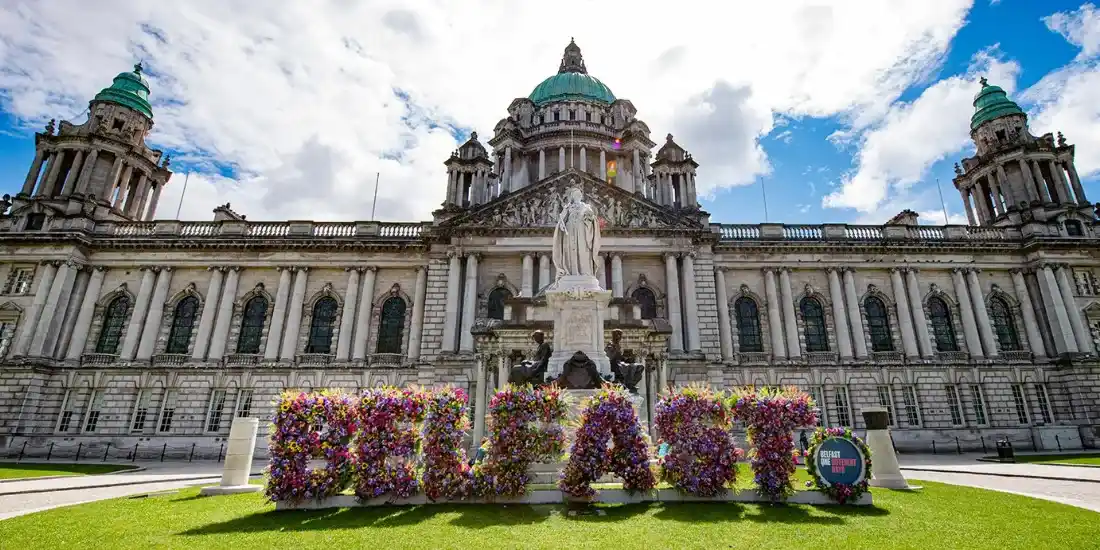
The first thing you notice when you arrive in Belfast?
There’s this hum – buses screeching to a halt at Great Victoria Street station, a street violinist outside CastleCourt playing something fast and melancholy at the same time, two students arguing about whether to get a Chinese or a chippy for dinner. It felt alive in a way I didn’t expect.
I’d just landed for my first semester. Queen’s University had accepted me, I’d sorted my visa somehow (barely), and I was dragging this oversized Primark suitcase up Botanic Avenue wondering if I’d already made a mistake. I didn’t know anyone. I didn’t know where I was going. And it was raining in that light, sideways way only Belfast can pull off – like the city’s testing you.
But here’s the thing: that awkward, jet-lagged walk to my student housing turned into something I’d remember for years. You don’t forget your first meal in a new country (mine was a chicken fillet bap and it changed my life), or the first stranger who gives you directions like you’re already a local.
Belfast doesn’t try to impress you. It grows on you – slowly, stubbornly, but completely.
And that’s why I’m writing this Study Guide in Belfast, UK – to help you skip the confusion, survive the first few months, and maybe even fall in love with the place a little faster than I did.
Why Study in Belfast in 2026?
Let’s be honest – Belfast usually isn’t the first city that comes up when people talk about studying abroad in the UK. But you’d be seriously missing out if you didn’t give it a proper look.
Why now?
Well, first of all – 2026 is a smart year to apply. UK universities are still benefitting from the Graduate Route, which offers 2 years of post-study work rights for international graduates (3 years for doctoral grads). And the cost of living in Belfast is noticeably lower than London, Edinburgh, or even Manchester. In a time when students are stressed about budgets, that’s a huge deal.
Belfast has a thriving-yet manageable-academic scene. You’re not lost in a metropolis, but you’re also not stuck in a quiet village with nothing to do. You’re in a UNESCO City of Music, surrounded by streets layered with history and innovation at the same time.
Quick stats (just the ones that matter)
- Queen’s University Belfast is a member of the Russell Group (think Ivy League but UK)
- Ulster University’s new Belfast campus opened recently and has been turning heads across Ireland and the UK
- The city’s international student population grew by more than 20% between 2021 and 2024, and it’s still rising
- Belfast is the #1 cheapest student city in the UK (NatWest Student Living Index 2023), meaning your living expenses breakdown won’t make you cry each month
And here’s something I didn’t realise before I came – Northern Ireland has its own identity within the UK. Cultural festivals, local slang, a totally underrated accent (once you get used to it), and a tight student network make it far more personal than larger UK cities.
Why Is Belfast a Hotspot for International Students?
Let’s cut to it: you can study anywhere. Why should you really think about Belfast?
Well, Belfast universities for international students come with serious perks:
- Low cost of living (think rent as low as £300/month if you’re lucky)
- Rapid growth in tech, fintech, AI, and life sciences sectors = future job chances
- Community-driven support – both Ulster and Queen’s have international student services that don’t feel like afterthoughts
- Public transport is actually manageable – and cheap for students (more on that later)
In terms of numbers: Queen’s University currently has over 3,800 international students from more than 90 countries. Ulster is catching up quickly as their city-centre campus attracts digital and creative tech students worldwide.
But stats aside, what makes Belfast stick is how welcome you feel. Locals are curious, hilarious, and brutally honest. You’ll stand out a bit at first – I did – but you’ll quickly learn that “hiya love” from the café barista is just Belfast talk for, “You’re one of us now.”
Top Universities and Colleges in Belfast
1. Queen’s University Belfast
- Ranking: Top 25 in the UK (Complete University Guide 2025)
- Known For: Law, Medicine, Engineering, Cybersecurity, Arts & Humanities
- Tuition (International Students): £17,900 – £22,000/year
- Campus Vibe: Very traditional – scenic, old brick buildings, green squares, but modern inside. You don’t walk through Queen’s – you feel it.
- Pro Detail: Their CS and Medicine grads are getting snatched up by multinational employers like Citi, Deloitte, and the NHS.
2. Ulster University – Belfast Campus
- Ranking: Rapidly improving, especially in Art, Design, Computing, Social Sciences
- Known For: Digital media, Business, Hospitality, Arts, Architecture, Machine Learning
- Fees (International Students): £14,480 – £15,840/year
- Campus Life: Urban and modern. Their city-centre campus is genuinely beautiful – glass hallways, coworking spaces, public art
- Pro Tip: The university has links with local start-ups and EU-funded urban design and tech projects. Placements are real, not fluff.
3. Belfast Metropolitan College
- Best For: Foundation degrees, vocational courses, international pathway programs
- Fees: £8,000 – £10,000/year
- Vibe: More hands-on, practical education than academic research
- Location: College Square East, central and totally walkable
Student Accommodation in Belfast
Let me paint a realistic picture – Belfast is one of the few UK cities where decent housing is still affordable for students.
Uni-Managed Halls:
Elms BT9 (Queen’s University)
- £110 – £135/week
- En-suite, on-campus
- Great mix of international students
- Downside? About 25-minutes walk from city centre
Ulster University Accommodation – Botanic Studios
- £140 – £170/week
- Modern, close to artsy Botanic Avenue area
- Tight security, social events
Private Housing:
Dream Pods Belfast
- £130 – £160/week
- Stylish but compact units, private ensuite bathrooms
- Pro? Convenience.
- Con? Less community feel
Shared Housing (e.g., on Lisburn Road, Stranmillis)
- £70 – £110/week (+ bills)
- Best for second-years or students wanting more independence
- Shop smart: always go through university housing services or trusted listings
Popular Student Areas in Belfast (That You’ll Actually Afford)
Your neighborhood can shape your whole uni experience – whether that’s access to midnight takeaways, a short walk to campus, or being far enough from party central that you can sleep. Here’s the lowdown on where students actually live in Belfast.
1. Botanic Avenue / Queen’s Quarter
- Rent: £80–£120/week (shared housing), £150+ (studios)
- Distance to Campus: 5–15 minutes walk to Queen’s, 15–20 minutes to Ulster by bus or train
- The Vibe: Buzzing, diverse, full of cafés, second-hand bookstores, and late-night kebab spots
- Transport: Botanic train station right there
- Downside: A bit loud and chaotic at night, especially during Freshers
2. Stranmillis
- Rent: £85–£130/week (shared)
- Vibe: Leafy, quieter, a calmer alternative to Botanic
- Distance: Walkable to Queen’s, 25–30 mins to Ulster
- Student Pros: Near the Lagan River, coffee shops like Kaffe O and Root & Branch
- Con: Further from nightlife and Ulster’s new campus
3. City Centre (Cathedral Quarter, Donegall Street)
- Rent: £110–£160/week
- Vibe: Urban, modern, high student turnover – especially Ulster students
- Distance: You’ll have Ulster University across the street
- Downside: This area can feel busy and corporate during weekdays. Can be pricey.
4. Holylands
- Rent Friendly: £70–£100/week (shared houses)
- The Reputation: Student party central. Large international mix, divided opinions on safety and cleanliness
- Vibe: Think student-only streets, loud weekends, affordable rent
- Pro Tip: Better for second-years who know what they’re getting into
Cost of Living in Belfast for Students (Real Numbers for 2026)
Belfast is regularly ranked one of the cheapest cities to study in the UK, and I swear it’s not just a headline.
Compared to London or even Glasgow, your monthly budget goes way further here. But expenses can creep up if you don’t plan. Here’s what it looks like:
| Expense | Low (£) | Medium (£) | High (£) |
| Accommodation | 280–400 | 450–600 | 650+ |
| Groceries + Food | 110–150 | 180 | 250+ |
| Transport (Bus/Train Pass) | 35–45 | 55 | 65+ |
| Internet + Mobile | 30 | 40 | 50 |
| Socialising + Eating Out | 60–100 | 150+ | 200+ |
| Books + Study Materials | 20–40 | 60 | 80 |
| Miscellaneous | 30–50 | 75+ | 100+ |
Total monthly average:
- Budget lifestyle: £600–£750
- Comfortable mid-range: £850–£950
- High comfort (self-contained housing, frequent dining out): £1,000+
Where students overspend:
- Uber and delivery apps (dangerous if you don’t cook)
- Last-minute trips home
- Phone plans – get a UK SIM with Giffgaff or Voxi, don’t stick with expensive foreign providers
Budget hacks:
- Shop at Lidl and St. George’s Market instead of big chains
- Split meal deals with housemates
- Get an NI Translink yLink card – 33% off public transport for students aged 16-23
- Walk more. Honestly, Belfast is pretty compact
Scholarships and Financial Aid
Yes – international students can get scholarships in Belfast, but you have to be proactive.
University Scholarships
Queen’s University Belfast
- International Office Awards: Up to £3,500 off tuition
- Vice-Chancellor’s International Attainment Scholarship: 50% off fees for high-achieving students
- Early Bird Discount: Apply and pay early, get £1,500 mapped off your tuition
Ulster University
- International Undergraduate Scholarship: £2,000 off per year
- Postgraduate Scholarship (2026): Up to £4,000
- Specific pathway program funding for pre-degree courses
External Scholarships
- Chevening (Postgrad): Covers full tuition + stipend
- British Council Scholarships (focus on STEM, women in tech, etc.)
- Commonwealth Shared Scholarships
Lesser-Known Funding You Should Check:
- Scholarships from your home country’s education ministry
- UK charity-funded options (e.g. Wellcome Trust, Leverhulme)
- The Alternative Guide to Postgraduate Funding (worth the small access fee)
Rules of the scholarship game:
- Focus your SOP on impact, not just grades
- Ask for recommendation letters from mentors who know you (not just your principal)
- Always meet submission deadlines. No “I didn’t know.” They won’t reopen.
How to Apply – Step-by-Step for 2026
Here’s how to take all that “abroad dream” energy and actually apply to study in Belfast. Yes, you can search Reddit forums and agents – but nothing beats a clean timeline.
1: Research Courses (Sep–Nov 2025)
Start shortlisting universities, programs, and scholarships. Use official uni websites, Instagram, YouTube campus tours, and trusted student blogs like this one.
2: Prepare Documents (Nov–Dec 2025)
Get your:
- Academic transcripts
- ID/passport
- English proficiency test scores (IELTS, TOEFL, PTE)
- Statement of Purpose (SOP)
- Reference letters (2 ideally)
- Updated CV
3: Apply via UCAS or Direct (Jan–Mar 2026)
- UCAS if applying to multiple UK universities
- Direct to university if only applying to Queen’s or Ulster
4: Receive Offers (Apr–May 2026)
- Offers will usually be conditional (based on final grades or English score)
- Keep track of acceptance and deposit deadlines
5: Apply for Scholarships (Jan–May 2026)
Many deadlines fall between January and April depending on university and funding body
Step 6: Accept Offer and Get CAS (May–June)
Once your place is confirmed and deposit paid (~£2,000–£5,000), you’ll receive your CAS letter, needed for your visa
Step 7: Apply for UK Student Visa (June–August)
More on this below – but don’t wait till the last minute
Visa and Work Rules in 2026
Let’s be honest-UK visa applications are rarely stress-free. But if you’ve got your documents in check and follow the timeline, it’s not as intimidating as it sounds.
What Visa Do You Need?
If you’re coming to Belfast for full-time study, you’ll need a Student Route Visa (Tier 4).
Here’s what you’ll need:
- CAS letter from your university
- Proof of English language proficiency (IELTS/TOEFL/PTE)
- Proof of financial capacity:
- Tuition fees (usually first year’s payment or confirmation of scholarship)
- Living costs: £1,023/month × 9 months = ~£9,207
- Valid passport
- TB Test (if required for your country)
- Visa application (~£490 flat fee)
- Immigration Health Surcharge (IHS): ~£776 per year for access to NHS
How Long Does It Take?
- Normal processing: 3–6 weeks
- Priority (in some countries): 5 working days
- Don’t book flights until your visa is approved – seriously
Can You Work While Studying?
Yes – and most students do.
- 20 hours per week during term
- Full-time during scheduled university breaks
- Work placements or internships allowed if part of your course
Plenty of international students grab part-time jobs in Belfast like:
- Retail (Primark, Tesco, Lidl)
- Hospitality (cafés near Queen’s/Ulster)
- Campus libraries or admin roles
- Freelance gigs (social media, tutoring, photography)
And after your degree?
What About Post-Study Work?
Thanks to the UK Graduate Route, international graduates can stay for up to two years (three for PhDs) to find work – no sponsorship needed during this period.
If you land a job with a UK sponsor company during that time, you can switch to a Skilled Worker visa and stay permanently.
Local Transport in Belfast
You won’t need a car. Trust me – getting around Belfast is simple once you embrace walking and buses (and avoid rainy days if you can).
Public Transport Options
- Buses: Run by Translink Metro – covers all major student areas. A student pass costs ~£40/month
- Trains: Great for day trips around Northern Ireland
- Glider Bus: Think of it as Belfast’s version of rapid transit
Must-Use Apps
- Translink NI app (plan journeys and check contactless info)
- Google Maps (walk routes are crucial here)
Cycling and Walking
- Lots of bike lanes and student-friendly cycling paths, especially around Botanic, Ormeau, and City Centre
- Many student accommodations are 15–20 minutes walking from campus
Tip:
Get the yLink card (16–23 y/o) or ask your accommodation for transport deals if you’re over 23. Both Queen’s and Ulster offer discounted student transport passes.
What’s Student Life in Belfast Really Like?
Alright – let’s paint a brutally honest picture.
A weekday might look like:
- Morning lecture followed by coffee at Kaffe O
- Quick grocery pickup at Lidl or St George’s Market
- Group work at McClay Library
- Cheap burrito at Boojum (you’ll go at least once a week, no lies)
- Pub quiz night at The Points or open mic at Black Box Belfast
The student community and networking culture are real here. You will meet people from around the world – Nigeria, Malaysia, Canada, India, Somalia. Everyone’s in the same boat.
Clubs and societies? Endless. From the Korean Culture Society to volunteering with student-led nonprofits – whatever your vibe is, it exists.
Belfast is artsy. Rebellious. Kind of raw.
And it’s personal in a way most big cities just aren’t. The staff at the café you go to twice a week will start to learn your name. That flatmate who seems odd at first might become your best friend.
Cultural Adjustments?
Sure. You’ll have to get used to:
- How nothing opens early on Sunday
- How tea is the answer to everything
- Heavy Northern Irish accents (give it a few weeks)
But the payoff is real: It grows on you, and suddenly, you’ll find yourself defending Belfast like it’s home.
Internship and Career Opportunities After Graduation
It’s not just about getting a degree – it’s about setting up your career prospects after studying. Belfast might be smaller than other UK cities, but it’s mighty when it comes to innovation.
Top Industries
- FinTech and Cybersecurity – booming in Belfast right now
- Healthcare and Life Sciences (especially if you’re graduating from Queen’s)
- Creative Arts and Digital Media
- Engineering and Advanced Manufacturing
- Even the film industry (Game of Thrones was shot here)
Internship Culture
- Queen’s and Ulster bake placements into their courses – especially for business, stem, and creative degrees
- Smaller companies mean more hands-on roles
- Unpaid internships do exist, but most placements via the uni are at least minimally paid
Finding Opportunities
- Uni career services (book 1-on-1 support during your first semester!)
- LinkedIn (Northern Ireland job boards are active there)
- NIJobs, GradIreland, and Prospects.ac.uk
- Student fairs + employer showcases on campus
Want to stay? Get your foot in the door during studies – many grads convert placements into permanent roles during the Graduate Route visa window.
Short-Term Study Abroad Options
If you’re not committing to a full degree yet, short-term study routes in Belfast also exist.
- Queen’s University Summer Schools (law, conflict studies, literature)
- 2–4 weeks
- ~£1,500–£2,500 total cost including accommodation
- Ulster University exchange programs with partner institutions
- Intensive English language preparation programs – great if you’re boosting your IELTS
These are ideal for:
- Students testing the waters before full study
- Those on a gap year
- Professionals adding a UK-based certificate
Application Timeline: 2026 Entry
Here’s a clear roadmap so you don’t miss any deadlines:
| When | What to Do |
| Nov–Dec 2025 | Research courses, shortlist target unis |
| Jan–Mar 2026 | Submit applications, start scholarship essays |
| Apr–May 2026 | Receive offers, accept placement |
| May–June 2026 | Apply for scholarships / Pay deposit |
| June–July 2026 | Receive CAS, apply for visa |
| July–Aug 2026 | Find accommodation, book flights |
| Late Aug–Sep 2026 | Arrive, attend orientation week at your university |
Public vs Private Universities in Belfast
Let’s keep this quick.
| Feature | Public University | Private College |
| Tuition Fees | £14,000–£22,000/year | Often higher or program dependent |
| Scholarships | Yes – extensive | Limited |
| Recognition | Wide international recognition | Varies – research carefully |
| Student Experience | Clubs, societies, career support | May feel smaller or more limited |
| Visa Sponsorship | Fully licensed | Depends on institution |
Your best bet? Stick with Queen’s or Ulster unless you have a very specific private institution in line.
Final Thoughts: Why Belfast Might Be Right for You
Here’s who Belfast absolutely works for:
- Students who want small-city life with big-city energy
- Anyone looking for high-quality education without London-level costs
- People who value community, history, and culture over social media hype
Some won’t like the rain, or the way TESCO closes right before you need milk, or that one lecture room that’s ALWAYS freezing. But those are surface annoyances.
The truth?
Belfast’s got grit. It’s got career opportunities, affordability, and some of the most grounded, hilarious, warming folks you’ll ever meet.
Quick Survival Tips from Someone Who’s Lived It:
- Buy a “proper” waterproof coat. Umbrellas are useless here.
- Don’t skip orientation. That’s how you make your first 3 friends.
- Save £50 before arrival for things no one tells you you’ll need – power adapters, bedding, a bus card.
- Sign up for job alerts in your first month. Not week ten.
- Explore. There’s more to this place than classes.
Top 10 FAQs About Studying in Belfast
Nope. It’s one of the cheapest cities in the UK for students. Budget ~£750–£950/month all-in.
Yes. Up to 20 hours/week during term. Full-time in holiday periods. Loads of part-time options in hospitality, retail, and campus jobs.
You’ll need an accepted English test score (usually IELTS 6.0–6.5). Fluency improves fast once you’re living here.
Pretty safe. Like any city, use common sense at night. Student areas are well-policed and friendly.
Cool and rainy most of the year. Bring layers, waterproofs, and thick socks. Trust me on that.
Yes. The Graduate Route lets you stay 2 years after graduating to work or look for jobs.
With proof of address, ID, and a university letter. Online options like Monzo are fast.
Busy but low-pressure. Great cafes, live music, events – plus festivals through the year.
Yes. Up to £5,000 through Queen’s and Ulster; more via UK/global options.
Start planning by November 2025. Apply between January and April 2026 for best scholarship chances.
Ready to Study Abroad – For Real?
Belfast might not be the first name on every list, but for more and more international students, it’s the right choice. Affordable. Welcoming. Not too crowded, not too small. It’s a city that lets you breathe, study, and figure out who you’re becoming.
And if you’re ready to take the leap – we’re here to help.