
By Mukesh Chandra, Career Counsellor and Study Abroad Consultant with over 12 years of experience. Last checked 12 November 2026.
The short answer
San Jose is the centre of Silicon Valley, and its main public university, San Jose State University (SJSU), is far cheaper than the private universities nearby. NBC Bay Area reported SJSU’s 2026-27 tuition at $20,538 for international undergraduates and $19,422 for graduate students, while Santa Clara University’s 2026-27 undergraduate tuition is $64,956. Housing is the real cost: SJSU’s own figures show a one-bedroom near campus at $2,781 a month and a room in a shared four-bedroom flat at $1,167. At about ₹90 to the dollar (check today’s rate), SJSU’s tuition is roughly ₹17 lakh to ₹18 lakh a year before living costs.
What it costs to study in San Jose
| Item | Figure | Source |
|---|---|---|
| SJSU tuition, international undergraduate, 2026-27 | $20,538 a year | NBC Bay Area, citing SJSU |
| SJSU tuition, graduate, 2026-27 | $19,422 a year | NBC Bay Area, citing SJSU |
| SJSU non-resident surcharge | An additional $471 per unit on top of California State University tuition | SJSU cost of attendance page (draft 2026-27 budget) |
| SJSU non-resident estimate, 2025-26 | Tuition and fees $18,490, living expenses $26,479, total $44,969 for a 9-month year | SJSU admissions sheet for non-residents |
| Rent near SJSU (February 2026) | One bedroom $2,781. Own room in a two-bedroom $1,624, in a three-bedroom $1,430, in a four-bedroom $1,167 | SJSU Financial Aid and Scholarship Office |
| Santa Clara University, undergraduate tuition, 2026-27 | $64,956 a year, plus a $780 student well-being fee and a $180 international student fee | Santa Clara University bursar |
| Santa Clara University, total cost of attendance, 2025-26 | About $92,556 on campus and $99,030 off campus | Santa Clara University financial aid |
SJSU notes that its rent figures cover rent only and exclude food, utilities and deposits, and that most students share housing. Stanford University is in the wider Silicon Valley area, not in San Jose, and has its own fees, which I did not verify for this guide.
US student visa rules (checked 12 November 2026)
- Process: you receive Form I-20 from a SEVP-approved school, pay the $350 SEVIS I-901 fee and the $185 visa application fee, then attend a visa interview. Expect expanded social-media vetting at interviews.
- Visa integrity fee: a $250 fee was created by US law in July 2025. Reports say some consulates have started collecting it, but I found no official nationwide start date, so ask your consulate.
- Length of stay: DHS published a final rule on 17 July 2026 that would replace “duration of status” with a fixed admission of up to four years, effective 15 September 2026. Several sources report that a federal court in Massachusetts postponed the rule on 14 September 2026 and that an appeal was filed, so students are currently still admitted for duration of status. This can change, so check the Study in the States website before you travel.
- Work: on-campus work is limited to 20 hours a week in term. After one academic year you can become eligible for Curricular Practical Training (CPT) and Optional Practical Training (OPT): 12 months of OPT, plus a 24-month STEM extension for eligible degrees.
- After OPT: work visa rules, including H-1B fees and selection, have been changing. Do not assume a long-term job visa; check USCIS before you plan.
Universities in San Jose and who they suit
- San Jose State University (SJSU) is a large public university in downtown San Jose, known for engineering, computer science, business, and data programmes with strong local industry links.
- Santa Clara University is a private Jesuit university in neighbouring Santa Clara, with strong engineering and business programmes at high fees.
- San Jose City College and other community colleges offer lower-cost starting points, and San José City College runs an international student programme.
- Stanford, UC Berkeley and other Bay Area universities are nearby but not in San Jose, so check commute and housing for each.
Where to live
| Area | Who it suits | What to expect |
|---|---|---|
| Downtown San Jose and Japantown | SJSU students | Close to campus, with light rail access and higher rents. |
| Willow Glen, Campbell and Cupertino | Students who want quieter suburbs | Residential, with higher rents and a car often needed. |
| Santa Clara and Sunnyvale | Santa Clara University students and tech interns | Close to tech employers, with a mix of apartments. |
| East San Jose and Milpitas | Students on a tighter budget | More affordable, with longer commutes. |
Apply for university housing early, and never pay a deposit for a flat you have not seen or verified. Watch for rental scams.
Getting around
VTA runs buses and light rail, and Caltrain connects San Jose with San Francisco. The valley is car-oriented, and many students find a car or ride-share useful, so budget for transport and insurance.
Working and staying on after your degree
San Jose and the surrounding valley host major software, semiconductor, networking and hardware employers, along with many startups. Competition is intense, and employers are cautious about visa sponsorship. A US degree gives access to OPT, but it does not guarantee a job or a work visa afterwards. The rules above can change, so confirm on official US government websites.
Who San Jose suits, and who it does not
It suits students in computer science, engineering and data who want proximity to Silicon Valley and are willing to budget carefully for rent, often through SJSU. It is a weaker fit if you want a very cheap city, if you do not want to rely on a car or roommates, or if you plan to rely on part-time work for most costs.
Frequently asked questions
How much does SJSU cost for international students?
NBC Bay Area reported 2026-27 tuition of $20,538 for international undergraduates and $19,422 for graduate students, before living costs.
Is San Jose cheaper than San Francisco?
Rents are a bit lower, but both are expensive, and sharing housing is the norm.
Can I work while studying?
On campus up to 20 hours a week in term. Off-campus work needs authorisation such as CPT or OPT.
How long can I work after graduating?
OPT is typically 12 months, plus 24 months for eligible STEM degrees.
Is the duration of status rule changing?
A rule ending it was postponed by a court in September 2026, so check the latest status before you travel.
Sources: SJSU Financial Aid and Scholarship Office and admissions sheet; NBC Bay Area; Santa Clara University bursar and financial aid (2026-27); DHS Study in the States (final rule of 17 July 2026). Third-party reports should be confirmed with the university and official US government sites.
Planning to study in San Jose?
Get one-to-one advice from Mukesh Chandra on universities, scholarships, visa funds and housing. Students and parents are both welcome.
More Study Guides for the United States
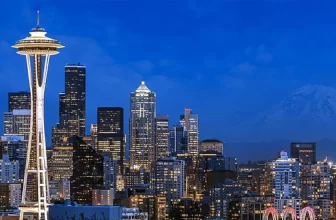
Comparing US cities? Read our guides to studying in San Francisco, studying in Seattle, studying in San Diego, studying in Los Angeles and studying in Austin, or browse all our US city guides.
About the author: Mukesh Chandra is a seasoned Career Counsellor and Study Abroad Consultant with over 12 years of professional experience in career guidance, international education, and student counselling. He brings extensive knowledge of global education systems, university admissions, course selection, and international study opportunities. Through his expertise and strategic guidance, he empowers students to make informed academic and career decisions and navigate their journey towards achieving global educational aspirations. Connect with Mukesh Chandra on LinkedIn.