
Oxford University Acceptance Rate for Indian Students

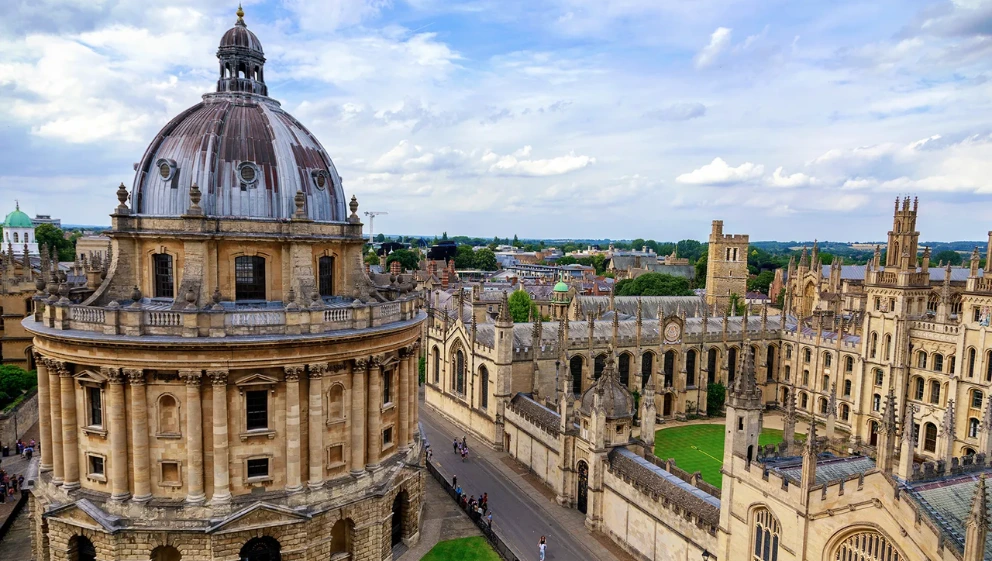
Dreaming of walking through the historic halls of Oxford? You’re not alone. Every year, thousands of Indian students set their sights on this prestigious institution that’s been shaping minds for nearly a thousand years. But here’s the reality check: getting into Oxford is incredibly competitive, especially for international students like us.
The Numbers Don’t Lie: Oxford’s Selectivity
Let’s start with the hard facts. Oxford University overall acceptance rate hovers around 14-17%, which already sounds intimidating. But for international students? It drops to about 7%. That means roughly 7 out of every 100 international applicants get through those famous gates.
Here’s what the latest data shows for undergraduate admissions:
- International applications received: 8,367 in 2024
- International students admitted: 633 in 2024
- Acceptance rate: About 7.6% in 2024
For Indian students specifically, the picture looks like this: between 2022-2024, Oxford received 1,757 applications from India and admitted only 74 students, which works out to roughly 4%. (Source: Oxford’s Annual Admissions Statistical Report.)
Where Oxford Stands Globally
Before we dive deeper, let’s put Oxford’s reputation in perspective. This isn’t just any university we’re talking about. Oxford consistently ranks in the top 5 universities worldwide and has held the #1 spot in World University Rankings since 2017. It’s the oldest English-speaking university in the world, established before 1096.
The numbers speak volumes:
- Undergraduate intake: About 3,300 undergraduates admitted each year
- Alumni network: Nearly 350,000 graduates across almost every country
- International representation: Students from 175 different countries and territories
The Most Competitive Programs
If you’re eyeing certain courses, brace yourself for even steeper competition. Here are the most sought-after programs and their application-to-admission ratios:
- Economics & Management: 19.1 applicants per place
- Computer Science: 17.2 applicants per place
- Maths & Computer Science: 11.9 applicants per place
- Biomedical Sciences: 11.7 applicants per place
- Medicine: 11.1 applicants per place
What You Need to Get In
The admission requirements aren’t just checkboxes to tick off. They’re your opportunity to showcase why you belong at Oxford. Here’s what Indian students need:
For Undergraduates:
- Academic excellence: 90% overall in 12th grade (CBSE or CISCE), with four subjects at 95% and fifth at 85%
- English proficiency: IELTS 7.0-7.5 or TOEFL 100-110
- Strong personal statement: This is where you tell your story
- Excellent references: Your teachers’ words carry weight
- Interview performance: If you make it this far, you’re already impressive
For Graduates:
- Bachelor’s degree: 65% for 4-year professional degrees or 70% for standard 3-year degrees
- Test scores: GRE/GMAT if required for your program
- Research experience: Particularly important for research programs
- Clear academic purpose: Know exactly why you want to pursue your chosen field
How Oxford Compares to Other Top Universities
Let’s be honest about the competition. Harvard’s acceptance rate sits in the low single digits, making Oxford’s 14-17% look almost generous by comparison. But don’t let that fool you. Oxford’s selection process is equally rigorous, just structured differently.
While Harvard takes a holistic approach considering your entire personality, Oxford focuses intensely on academic potential and subject-specific passion. Both approaches are valid, but they require different preparation strategies.
How to Apply to Oxford as an Indian Student
Oxford’s process differs from most universities. The steps below follow Oxford’s own admissions pages for 2027 entry. Dates and tests change from year to year, so check Oxford’s admissions timeline for the year you plan to start.
- Choose one course. You apply to a single Oxford course, with either a named college or an open application. You also cannot apply to both Oxford and Cambridge in the same year.
- Check whether your course needs an admissions test. From 2026, Oxford uses tests run by UAT-UK for many courses (ESAT, TMUA and TARA). Medicine uses the UCAT and Law uses the LNAT. Oxford’s older in-house tests, such as the MAT, TSA and PAT, have been discontinued, and the BMAT no longer exists. Register well before the UCAS deadline.
- Submit your UCAS application by 15 October, 6pm UK time. That is about three months earlier than most UK universities, and there are no exceptions. For 2027 entry the deadline was 15 October 2026, so if you are aiming for 2028 entry, plan to apply by October 2027.
- Send written work if your course asks for it. For 2027 entry the date was 10 November. Check your course page.
- Prepare for an online interview. For 2027 entry, shortlisted applicants were interviewed online in December, and decisions came out on 12 January 2027. Interviews test how you think about your subject, not just what you know.
Oxford publishes a full guide for applicants. If you want help choosing a country, course and funding before you apply, you can talk to me for free.
Your Path Forward: Practical Advice
Getting into Oxford isn’t about luck. It’s about strategic preparation and genuine academic passion. Here’s what successful Indian applicants typically do:
Start early: Begin preparing at least two years before you want to enroll. This gives you time to build a strong academic profile and gain relevant experience.
Excel academically: Your grades are your foundation. There’s no negotiating with Oxford’s academic standards.
Develop subject expertise: Oxford wants students who are genuinely passionate about their chosen field. Read beyond your textbooks, engage with current research, and develop informed opinions.
Prepare for interviews: If you’re shortlisted, the interview will test your thinking process, not just your knowledge. Practice articulating your thoughts clearly under pressure.
Get meaningful references: Build relationships with teachers who know your academic potential and can speak to your character.
The Indian Connection at Oxford
You won’t be alone if you make it to Oxford. India consistently ranks among the top 5 countries sending students there, with 565 Indian students currently on campus. This community includes some impressive alumni: former Prime Ministers Indira Gandhi and Dr. Manmohan Singh, renowned authors Amitav Ghosh and Vikram Seth, and former Supreme Court Justice Sujata Vasant Manohar.
Is It Worth the Effort?
Only you can answer that question. Oxford offers an unparalleled academic experience, global networking opportunities, and a brand name that opens doors worldwide. But it also demands everything you’ve got academically.
The key is approaching your application authentically. Don’t try to be who you think Oxford wants. Be the best version of who you already are. Show them your intellectual curiosity, your academic achievements, and your potential to contribute to their community.
Remember, even if Oxford doesn’t work out, the preparation process will make you a stronger candidate for other top universities. The skills you develop, the knowledge you gain, and the self-awareness you build will serve you well wherever you end up.
Your Oxford journey starts with understanding these realities, but it doesn’t end with statistics. It continues with your commitment to academic excellence and your passion for learning. The question isn’t whether you’re good enough for Oxford – it’s whether Oxford is the right place for your unique talents and ambitions.
Related Study Guides
Beyond admissions, read our full city guide to studying in Oxford: universities, areas and costs, or browse all our UK city guides.

