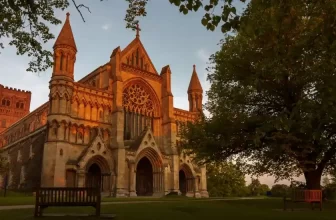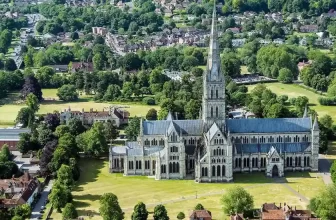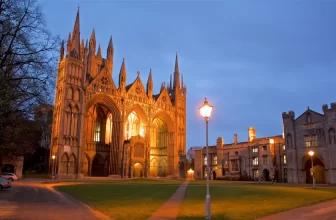


The first thing that hits you when you arrive in Derby? It’s not the accents or the cold-it’s the quiet confidence of the place. Arriving at Derby Midland Station in late September, you get autumn light spilling through low clouds, crisp British air, and a whiff of roasting coffee mixed with wet pavement.
Many new arrivals drag overstuffed bags along Railway Terrace while Google Maps glitches, and it is common for a passing student to stop and offer help.
Derby doesn’t scream “study abroad city.” It doesn’t have Big Ben or football stadiums on every corner. But what it does have? A calm rhythm, diverse student crowds, walkable streets, affordable cafes, friendly locals-and a university that backs international students hard.
And there’s a comfort in that. It’s almost like Derby knows you’re here to grow, figure things out, and not get swallowed by a mega-city. The first week is usually a blur of admin, Meet & Greets and getting to grips with the student accommodation near University of Derby.
By week two, many students begin to feel settled.
Why Study in Derby for 2027 Entry?
Derby is one of the UK’s most underrated university cities, especially for students doing programs in business, health, engineering, and creative design. For 2027 entry, it’s a smart place to study-not flashy, but real value for money.
The University of Derby has a large student body with a significant international community. That means people from Africa, Southeast Asia, the Middle East and across Europe-so yeah, you’ll find plenty of global perspectives, networking, and support systems baked into daily life.
Some concrete advantages:
- The Graduate Route visa lets eligible graduates work in the UK after their studies (2 years at present; see the rules update at the end of this guide)
- The university emphasises student support services and practical training (especially healthcare, psychology, and engineering)
- Living costs here are lower than in bigger cities like Manchester or Birmingham-cost of living in Derby is super manageable (more on that later)
For 2027 entry, points worth weighing:
- Employer links in engineering, rail, healthcare and business
- Tuition and living costs that are lower than in bigger UK cities (check current fees)
- A clear route from student visa to work visa (if you’re organised)
This isn’t just about the classroom. Studying abroad is about starting your future in a place that feels doable. Derby is that place.
Why Is Derby Important for International Students?
Derby is small but mighty for international students. The university itself has made a name for focused, practical courses that feed directly into regional industries. Think of it as low noise, high return.
The university enrols international students through foundation programs as well as straight into undergrad or master’s. That means you’re not alone.
Cultural support?
- The Student Wellbeing team runs everything from mental health support to visa workshops and “settling in” socials
- Multi-faith prayer rooms? Yep. Vegan/halal food options? They’re expanding.
- There’s also an International Student Celebration event.
Plus, Derby is home to major employers such as Rolls-Royce, Toyota Manufacturing UK (Burnaston), Alstom and the NHS, which matters for engineering, rail and healthcare students. Check each course page for the industry links it lists.
Derby may feel low-key, but it connects you to heavyweight industries.
Top Universities and Colleges in Derby
Let’s be real: Derby isn’t packed with universities like London. What it does have is one standout institution backed by strong vocational colleges in the area.
University of Derby
- Ranking: Top 50 for student satisfaction in the UK (Complete University Guide 2025)
- Known for: Psychology, Engineering, Nursing, Film & Media, Business, and Hospitality
- Tuition (international students):
- UG: approx. £14,900–£15,500/year
- PG: approx. £14,700–£17,000/year
- Student Vibe: Friendly, down-to-earth. Not elitist. Most students are the first in their families to study abroad.
- Campus Location: Main campus at Kedleston Road, bus-linked to city centre (10–15 minutes)
- Notable Facilities: STEM Centre, NHS-simulated clinical spaces, Enterprise Centre for entrepreneurs-in-training
- Support Vibe: Inclusive and supportive, with international student services available (check the current offer)
Derby College Group (The Roundhouse Campus)
- Focus: Vocational courses, Foundation Years, Applied Sciences, Engineering
- Tuition: £8,000–£10,000 for international learners
- Popular With: Students transitioning into undergrad, especially ones needing a softer entry into UK study culture
- Location: Just outside town centre, 10 mins from the train station
University of Law – Nottingham Centre (nearby alternative)
- While not in Derby proper, a quick train (~30 minutes) gets you legal/business focused teaching, if you’re doing blended learning or want occasional face-to-face modules
Most students stick with University of Derby because let’s be honest-it already offers industry links, employability training, and a lot of autonomy.
Top Student Accommodation Properties in Derby
Here’s a breakdown of the most talked-about places for international student accommodation in Derby:
1. University of Derby Halls – Sir Peter Hilton Court
- Avg. Cost: ~£115–£135/week
- Location: 5 mins from Markeaton Street Campus
- What You Get: Ensuite rooms, shared kitchen, Wi-Fi, on-site laundry
- Pros: All-inclusive rent, super social
- Cons: Can be noisy during Freshers week
- Tip: Book early if you want a quieter flat (they offer mixed or same-gender options)
2. Peak Court (UNITE Students)
- Avg. Cost: £130–£160/week
- Location: City centre, close to train station
- Features: Ensuite bathrooms, study area, gym access
- Pros: Close to nightlife and public transport
- Cons: Slightly further from uni, depending on your campus
3. The Croft
- Avg. Cost: £120–£150/week
- Private Studio or Shared Flats
- Best For: Independent students who want space and peace
- Bonus: Bills included, secure entry, regular cleaning
4. Shared Houses (Uttoxeter Road / Kedleston area)
- Cost: £350–£500/month/person + bills
- Ideal for second-years and above or students wanting flatmates
- Check on: SpareRoom, Studentpad Derby, or university listings
Quick Reminder: Most students start looking for accommodation as soon as they accept their offer. Don’t wait till July.
Popular Student Areas in Derby: Where People Actually Live
Location makes a difference-you don’t want to live in a dead zone just because it’s cheap. Here’s where students usually stay:
Kedleston
- Why Here: It’s right next to the main campus
- Rent: £450–£600/month
- Vibe: Quiet, academic, leafy
- Transport: Walk to uni + buses every 10 mins into town
- Cons: Not much nightlife
City Centre
- Why Here: Everything’s close-shopping, food, gym, bus station
- Rent: £550–£750/month (studios cost more)
- Vibe: Busy, a mix of locals and students
- Pros: Fast food, bus to campus, great for part-time jobs
- Cons: Can be noisy, especially weekends
Markeaton / Uttoxeter New Road
- Why Here: Mid-point between campuses and town
- Rent: £400–£550/month
- Vibe: More students than tourists
- Cons: Some older houses, check reviews before signing
Pear Tree / Normanton
- Why Here: Budget-friendly
- Rent: £300–£450/month
- Vibe: Mixed area, culturally vibrant
- Warning: A bit far from campus-bus or bike recommended
Cost of Living in Derby (2026–27)
Let’s break down the likely cost of studying in Derby, as indicative monthly estimates.
| Category | Monthly Cost (GBP) |
| Accommodation | £450–£650 |
| Food & Groceries | £120–£180 |
| Transport | £30–£45 (student bus pass) |
| Internet & Phone | £25 |
| University Supplies | £30–£50 |
| Entertainment | £50–£100 |
| Insurance / Health | NHS included in visa + ~£25 |
| Miscellaneous Expenses | £40–£60 |
| Estimated Total | £750–£1,100/month |
Money-Saving Tips:
- Get your bus pass through the Uni-cheaper than paying per ride
- Cook at home; Asian and Middle Eastern grocery stores are way cheaper than Tesco
- Check out TOTUM and UNiDAYS for consistent student discounts
- Use the Derby Uni app for free events-food is often involved
Most students overspend on food apps and cabs. It adds up.
Scholarships and Financial Aid for International Students
Let’s be honest-it’s tough to cover tuition and living costs as an international student. But scholarships in Derby DO exist, you just have to know where to look.
1. University of Derby Scholarships
- International Excellent Student Scholarship
- Worth £2,000–£5,000
- Auto-considered after receiving an offer
- Regional Scholarships (Example: South Asia, Africa)
- Specific discounts based on country of origin
2. Chevening Scholarships (UK Gov)
- For postgrad students
- Full funding (tuition + stipend)
- Requires leadership background and work experience
3. Commonwealth Scholarships
- For students from eligible countries pursuing a master’s
- Fully-funded (competitive)
4. External Options
- GREAT Scholarships (British Council)
- Global Study Awards
- Country-specific funding (e.g., from the Indian Ministry of Education, the Nigerian government, etc.)
Pro Tips:
- Start your applications at least 12 months in advance
- Don’t copy your friend’s personal statement-make it personal
- Ask lecturers or employers from home for recommendation letters (early!)
- Apply to more than one fund-you never know what clicks
How to Apply – Step-by-Step (2027 Intake Timeline)
Applying to a UK university can feel like a part-time job. But if you follow this, you’ll stay ahead.
1. Research and Shortlist (Now till Dec 2026)
- Use official university sites + rankings
- Filter by course structure, tuition fee structure, and career support
- Make sure your program is eligible for the Graduate Route
2. Prepare Documents
You’ll typically need:
- Passport
- Academic transcripts
- English proficiency test results (IELTS 6.0 or Duolingo 110)
- Personal statement
- Reference letters
3. Submit Applications
- Use direct university portal OR UCAS for undergrads (deadline: 13 January 2027, 18:00 UK time, for most courses)
- For masters, aim to apply by April 2027
4. Accept Offer + Pay Deposit
- Once accepted, pay your deposit (usually £3,000)
- You’ll receive a CAS (Confirmation of Acceptance for Studies)
5. Apply for UK Student Visa
- Online via gov.uk
- Need your CAS, bank statement (28 days), passport, and TB test (if needed)
6. Book Flights + Accommodation
- Try arriving 1–2 weeks before Orientation Week
- University offers airport pickups for some time windows-use it if you can!
Visa and Work Rules in the UK (2027 Entry)
Let’s break this down. Here’s what you need to know before panicking about visa hustle.
UK Student Visa Rules – Basics for 2027 Entry
- Apply Online with your documents and CAS
- Financial Proof: Tuition + £1,171 (£1,203 from 30 November 2026)/month (x 9 months)
- Visa Application Fee: £558
- NHS Fee: ~£776/year (covers doctor visits, emergencies, etc.)
- Processing: 3–4 weeks (faster if you pay priority)
What You CAN Do:
- Work up to 20 hours/week during term
- Full-time during breaks
- Work on-campus or off-campus (just not self-employed)
What You CAN’T Do:
- No freelancing/gigs (Uber, Deliveroo, Fiverr are illegal on this visa)
- No access to public funds (student finance not allowed unless you qualify under special immigration status)
Staying After Graduation:
- Apply for Graduate Route Visa (post-study work visa)
- Valid for 2 years at present (see the rules update at the end of this guide)
- Doesn’t need job sponsorship
- Apply within 60 days of completing course
Student Life, Food Culture, and Day-to-Day Vibes in Derby
Let’s be honest-studying is only half the story. The day-to-day rhythm matters just as much, and in Derby, it’s this chill, slow-burn kind of lifestyle that really sticks.
A Typical Day as a Student
You’re probably starting your morning around 8:30 or 9 AM. Some days that’s lectures at Kedleston Road campus. Other days it’s group work at Britannia Mill Studios or just solo study time in the University Library (which, by the way, stays open until midnight).
Many students break up the day with a walk, a budget-friendly coffee run (BEAR Coffee Co. is a popular spot), and some late afternoon society meet-up-like the International Society’s Quiz Night or the weekly film screenings.
Campus Culture
- It’s introvert-friendly. You’re not constantly “on” all the time.
- Wellbeing Centre is super popular-meditation, mental health check-ins
- Loads of student-led societies: Chess Club to Afro-Caribbean Society, and even one for true crime fans. Yep.
Food Culture
- Derby’s food culture is underrated. Genuinely.
- Best cheap eats:
- Annie’s Burger Shack
- MoonSha for sushi night deals
- Vedi for vegan Indian street food
- Halal and vegan options are readily available, especially around Normanton Road
Weekends & Fun Stuff
- Street markets, thrift shopping, walks by the River Derwent
- Weekend trips to Peak District (30 mins by bus)-amazing if you hike or just want quiet time
- Students head to Nottingham or Birmingham for concerts, big shows
Cultural Adjustments
What surprises many international students?
- British humour is weird at first… dry, sarcastic, and often self-deprecating
- The weather? Unpredictable-layers are your friend
- People won’t randomly chat on the bus, but they’re kind when you ask for help
It’s not all lectures and exams. You’re going to grow-socially, emotionally, academically. And Derby’s just the right-sized place to do it.
Internship and Career Opportunities in Derby
Here’s the deal: Derby might not sound like a corporate powerhouse, but it’s strategically excellent if you’re in:
- Engineering
- Nursing or health programs
- Supply chain/logistics
- Digital media / creative industries
Industries That Hire in Derby
- Rolls-Royce (yes, the famous one)
- Toyota Manufacturing UK (Burnaston)
- Alstom (Derby Litchurch Lane)
- University Hospitals of Derby and Burton NHS Foundation Trust
- Tons of SMEs doing digital, sustainability, and data-driven work
Are Internships Paid or Unpaid?
- Mostly unpaid in the first year unless you hustle (some Research Assistant jobs exist)
- Placement Years during undergrad can be paid and often lead to job offers
- Postgrad internships through “Futures First” career services are solid
Where to Find Work or Internships
- DerbyUniCareers portal
- LinkedIn Jobs
- TargetJobs or Prospects.ac.uk
- Local job fairs hosted on campus (attend them. Always.)
Pro Networking Tips:
- Go to resume/CV workshops-they’ll teach you the UK format
- Follow up with LinkedIn connections immediately after meeting alumni at events
- Join your academic program’s WhatsApp groups or Discord channels-opportunities get posted casually
Build your network early. Seriously-it pays off around graduation.
Short-Term Study Abroad Options
Only want to dip your toes in before diving into full-time study? Derby offers a few routes:
1. Summer/Winter Schools
- Hosted at University of Derby
- Topics: English language immersion, business, sustainable design
- Duration: 2–6 weeks
- Cost: ~£1500–£2500 incl. accommodation
2. Exchange Programs
- Available if your current uni partners with Derby
- Usually one semester, with credits transferred back
- Mainly for EU/Asia-Pacific students right now
3. Short Courses & Certificates
- Offered online and hybrid across health, digital media, psychology
- Good for professional development, esp. if you’re already working
Apply via direct link on Derby’s website-admissions are rolling.
Application Timeline for 2027 Intake
Here’s a month-by-month guide:
| Month | Action Step |
| Nov 2026 – Jan 2027 | Research, shortlist, prep documents |
| 13 Jan 2027 | UCAS deadline (for undergrad entries, 18:00 UK time) |
| Feb–Apr 2027 | Postgrad application window (best time to apply) |
| Mar–May 2027 | Accept offers, pay deposits |
| May–Aug 2027 | Apply for student visa (once you have your CAS) + housing |
| Aug 2027 | Book flights, pack, pre-departure sessions |
| Sept 2027 | Arrive in Derby for Welcome Week |
Stick to this timeline, and you’ll avoid the usual last-minute chaos.
Public vs Private Universities in Derby (Quick Comparison)
| Feature | University of Derby (Public) | Private Colleges (London-based or online) |
| Tuition (UG/PG) | £14,500–£17,000 | £12,000–£25,000 (varies widely) |
| Class Size | Medium | Often smaller (15–30 max) |
| Prestige (Local/Nat’l) | Strong in practical areas | Depends on course |
| Research Support | Excellent STEM + Health | Limited in private schools |
| Campus Life | Full uni experience | Minimal campus interaction |
| Visa Sponsorship | Yes | Depends on provider – check carefully |
| Scholarships | Available | Rare |
Final Thoughts – Why Derby Could Be Your Ideal Study Destination
So. Is Derby for everyone?
No.
If you want 24/7 nightlife, five Starbucks on one street, and global capital energy-this isn’t your city.
But if you’re someone who values:
- Affordable, livable city life
- Serious access to employers (while avoiding mega-competition)
- Personal student support and inclusive culture
- A calm place to adjust to UK life as an international student
Then yeah-Derby could be a perfect fit for you.
First-Year Survival Tips:
- Download the University of Derby app for campus maps and events
- Ride the Unibus-don’t waste money on Ubers unless you have to
- Cook your own meals-grab spices at Pak Foods
- Join at least two societies-one social, one career-based
- No one finds housing stress-free-ask second-years for the real deal
Quick Recap: Why Studying in Derby is Totally Worth It
To sum it up, Derby is a gem for international students. With top-tier education from the University of Derby, budget-friendly living, and unbeatable access to career opportunities in aerospace, healthcare, and business, it delivers on all fronts.
Living here keeps your daily stress low and your future career options wide open. Whether you’re walking to lectures through the city centre or catching a train to explore the UK, your experience while studying in Derby will be uniquely balanced, enriching, and completely unforgettable.
The city? Underrated. But for students, it’s borderline perfect.
Top 10 FAQs About Studying in Derby
Yes! It offers affordable living, strong academic support, and a diverse international community.
On average, students spend between £800–£1,100 per month, including rent, food, and transport.
Definitely, it ranks high for student satisfaction and boasts strong employability-focused programs.
Yes. Most international students on a visa can work up to 20 hours per week during term-time.
Kedleston Road, City Centre, and Darley are top choices due to proximity and housing options.
Yes. There are many student-specific housing options and prices are generally lower than in bigger UK cities.
Buses are reliable and discounted for students. The city is also walkable and bike-friendly.
Yes, the University of Derby offers multiple scholarships based on merit and region.
Derby is generally considered safe for students, but take the usual precautions and check the university’s safety guidance.
Ideally 5–6 months in advance, especially for university halls or popular private residences.
Rules update (October 2026): The UK Graduate Route currently lets graduates stay for 2 years after a bachelor’s or master’s degree (3 years after a PhD). For applications made from 1 January 2027, the standard Graduate Route is being shortened to 18 months, so check the official Graduate visa page on GOV.UK for the rules that apply when you apply. Students applying for a Student visa also pay the Immigration Health Surcharge as part of the visa application, which gives access to the NHS.
Student visa work rules (checked October 2026): If you study at degree level, a Student visa usually lets you work up to 20 hours a week in term time. Below degree level the limit is usually 10 hours. Hours are counted across all your jobs, you can work full-time in official vacations, and self-employment and freelancing are not allowed. Always confirm your own limits on your visa and with your university’s international office.
Planning to study abroad?
Get one-to-one advice from Mukesh Chandra on universities, scholarships, visa funds and housing. Students and parents are both welcome.
Request a callbackChat on WhatsAppCall +91 93199 14099More Study Guides for the UK
Comparing UK cities? Read our guides to studying in London, studying in Manchester, studying in Edinburgh, studying in Glasgow and studying in Birmingham, or browse all our UK city guides.