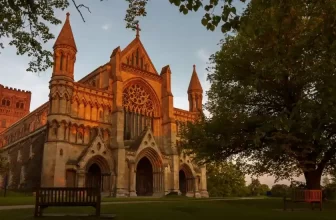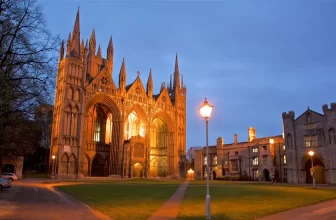


The first thing that hit me when I stepped off the train at Norwich Station wasn’t the cold-it was the feeling that I had landed somewhere different. Not intimidating like London, not overly polished, but quietly confident. Old, in the best way possible. You look up and you’ve got this medieval cathedral tower breaking through the skyline. You look down and realise-you’re about to start a new chapter in a city you don’t know yet.
It was late September. Chilly breeze, brown leaves tumbling across the brick-paved walkways, and this mix of earthy smells-wet trees, coffee, distant fish and chips. *
That first walk through Prince of Wales Road toward my accommodation felt like a scene from a film I didn’t audition for.
Crosswalk blinking, students rushing past with giant scarves, the sound of bus brakes and someone playing acoustic guitar near the market-it was surreal.
I didn’t know where the laundromat was, couldn’t figure out how the heating worked in my flat-classic. But despite that, my gut said: “okay, this could work.” There’s something gently welcoming about Norwich. And for international students who aren’t into chaos but still want character, this is the kind of place where you’re not just another tourist in a big city-you’re part of the city itself.
Why Study in Norwich in 2026?
Norwich is drawing attention for being a safe, affordable, and academically solid choice for international students. It’s home to the award-winning University of East Anglia (UEA), increasingly known for climate research, computer science, creative writing, and health science programs. UEA ranked in the top 30 in the UK (Guardian 2025) and is climbing in global recognition.
Norwich has about 17,000 university students, with over 3,000 international students from more than 120 countries. So no-you won’t be the only outsider trying to navigate the bus schedule. The campus has built-in support systems for adjusting to UK academic life, plus loads of activities geared to international students (free pizza counts, right?).
Here’s the 2026 advantage:
- The UK Graduate Route visa is still running, giving you 2 years to stay and work post-graduation
- Lower tuition and living costs compared to larger cities
- A boom in digital, renewable energy, research, and healthcare sectors in East Anglia
- Fewer distractions than a big city = genuine focus on your goals
Norwich in 2026 is about balance. Academic rigour meets small-city soul, and for quite a few of us, that’s the exact combination we didn’t know we were looking for.
Why Is Norwich Important for International Students?
Here’s the thing-Norwich isn’t flashy. But it’s good. Like, genuinely good, for international students.
UEA has intentionally built infrastructure around international learners. We’re talking:
- Dedicated visa support
- Language workshops
- Pre-sessional English courses
- Cultural integration events (like Diwali on campus and Lunar New Year celebrations)
The student mix is diverse, and not just on marketing brochures-you’ll hear four different accents in a 10-minute queue at the SU café. I met students from Nigeria, Brazil, Malaysia, and Ukraine in my first group project alone.
There’s also real peace of mind here. Norwich has ranked as one of the safest student cities in the UK for years. You can walk back from a late lecture or a house party without watching your back every two seconds.
And in terms of opportunities? UEA isn’t just books and lectures-they run student enterprise programs, offer paid campus roles, and connect students with local employers in sectors like digital marketing, renewables, creative arts, and more.
Bottom line: Norwich won’t overwhelm you-but it will equip you. One term in, and you’ll know this place was set up for students to learn, grow, and breathe.
Top Universities and Colleges in Norwich
Surprise-not every city needs 10 universities to offer quality. Norwich might not have quantity, but it definitely has depth where it counts.
University of East Anglia (UEA)
- Ranking: Top 30 UK (Guardian 2025), World top 200 for environmental sciences
- Known for: Environmental Science, Creative Writing, Computing Sciences, Global Development, Pharmacy
- Tuition (for international students):
Undergrad – £17,100 to £23,400/year
Postgrad – £17,800 to £23,700/year - Student life: Chill but lively; college-campus layout with a lake in the middle. Regular events from silent discos to film nights at The Hive.
- Location: South-west edge of Norwich, 20 mins by bus to town
- Vibe: Clean, green, supportive. You’ll find your groove quickly here.
Norwich University of the Arts (NUA)
- Focus: Design, media, fine arts, film, architecture
- Tuition: £16,800 – £18,000 (UG), £17,500 – £19,000 (PG)
- Student vibe: Super creative, very expressive-think warehouse-style buildings with murals and student-led exhibitions
- Location: Right in city centre, steps from Norwich Market
- Notable: Strong industry links and placements in fashion, film, and design industries
City College Norwich
- Type: Pathway & vocational programs (great for those starting with a foundation year in the UK)
- Tuition: Around £9,000 – £11,000 for international students
- Unique for: Hands-on training, smaller class sizes, practical skills to move into full uni-level studies
Note: Many students begin here and progress to UEA or another partner university. It’s a great bridge if you’re easing into the UK academic system.
Top Student Accommodation in Norwich
Finding international student accommodation in Norwich is easier than in London or Manchester-and way more affordable. Still, the earlier you book, the better shot you’ll have at securing a decent room.
1. Village (on UEA campus)
- Cost: ~£129–£154/week
- What you get: Basic furniture, shared kitchens, loads of green space
- Pro: Easy access to lecture halls
- Con: Not the fanciest, but perfectly functional
2. Crome Court (UEA’s en-suite option)
- Cost: ~£165–£180/week
- En-suite, modern layout
- Close to Sportspark, laundry, uni bus
- Fills up really fast, book early
3. St. Crispin’s House (private/student Roost)
- Cost: £140–£180/week
- Located in city centre
- Studios + shared flats with en-suite
- Walking distance to NUA
4. Shared rentals in North Earlham / West Earlham
- Cost: £400–£550/month (excluding bills)
- Ideal for second- or third-year students looking for more independence
- Use SpareRoom or UEA’s HomeRun platform
Pro tip from experience: Always visit or at least get video proof of your private room before paying your holding deposit. It’ll save future headaches.
Popular Student Areas in Norwich
Alright, let’s get into where you’ll likely live once you’re off-campus or just prefer more space (and sometimes fewer noisy neighbours).
1. Earlham
- Why? It’s right next to UEA. You can walk, bike, or UniBus it in under 10 minutes.
- Rent: £450–£600/month (shared houses)
- Vibe: Predominantly students, a bit quiet
- Shops? Small grocery stores, Chinese takeaway, laundrettes nearby
- Cons: Not much nightlife, but you’ll sleep better
2. Golden Triangle
- This one’s popular-and for good reason.
- Rent: £500–£700/month
- Distance: 20 mins walk or 10-min bus ride to UEA
- Vibe: Trendy, coffee shops, pubs, student-heavy but mixed with locals
- Downsides? Slightly pricier, but worth the atmosphere.
3. City Centre
- Best for: Norwich University of the Arts students
- Rent: £550–£750/month depending on flat size
- Pros: Easy walk to everything, surrounded by nightlife
- Cons: Very busy, can get hectic during weekends
4. Northfields or Bowthorpe
- Budget-friendly zones
- Rent: £400–£550/month
- Mostly families and postgraduate students, plus more green space
- Bus ride to uni: 10–20 mins.
Insider Advice: If you’re sensitive to noise or trying to keep it low-cost, go slightly outside the city centre. Norwich buses run late enough, and you’ll actually have space to think.
Cost of Living in Norwich (2026 Breakdown)
Norwich is basically what you’d call student-budget-friendly-especially compared to London, Bath, or even Brighton.
Here’s a realistic look at how much it costs to study in Norwich per month:
| Category | Monthly Estimate (GBP) |
| Accommodation | £450–£700 |
| Food & Groceries | £120–£180 |
| Transport (bus pass) | £30–£40 |
| Utilities + WiFi (if private) | £50–£70 |
| Phone/Internet | £15–£30 |
| Social/Entertainment | £60–£100 |
| Study Materials | £20–£50 |
| Health/Prescriptions | NHS included with visa |
| Total Budget | £750 – £1,200/month |
Money-Saving Hacks:
- Cook your own food (Tesco, Aldi & Poundland are your best friends)
- Download Unidays or TOTUM for discounts on tech/clothing/coffee
- Join the UEA Freecycle group-people give away furniture, books, even microwaves
- Avoid Ubers. Use the bus + student discount pass
Scholarships and Financial Aid
Tuition fees for international students in the UK can make your heart skip a beat. But if you’re strategic, Norwich offers real help.
UEA International Student Scholarships
- Vice Chancellor’s Global Scholarships – up to £4,000 off tuition, merit-based
- Country-specific awards (South Asia, Africa, Southeast Asia)
- Postgraduate Excellence Awards – up to £5,000
✅ You’re automatically considered in most cases once you apply!
Norwich University of the Arts
- Offers up to £3,000 in tuition discounts for international students with strong portfolios
- Apply early-and your statement of intent matters
External Funding Options:
- Chevening (for master’s, full funding)
- Commonwealth Shared Scholarships
- British Council GREAT Scholarships
- Look at organizations in your home country too (e.g., MHRD scholarships from India, PTDF for Nigerian students)
Tips for a Strong Scholarship Application:
- Tell your story-but keep it specific.
- Mention the program and what you’ll do with the opportunity.
- Show how you’re a good return on investment.
Deadlines sneak up fast. Start planning 9–12 months before arrival for anything competitive.
How to Apply – Step-by-Step (For Fall 2026)
Trust me-as someone who went through it, this part seems overwhelming, but once you’ve broken it into steps, you’ve got it.
1. Research & Shortlist (Now – October 2025)
- Check UEA, NUA, and external ranking sites for course modules and value
- Match the content with your goals (career or PhD plans)
- Check if they offer Graduate Route visa eligibility
2. Prepare Your Application
- Academic transcripts (certified)
- Statement of purpose/personal statement (start drafts early!)
- IELTS (usually 6.0–6.5), TOEFL or Duolingo scores
- Portfolio (for NUA applicants)
- Reference letters
3. Apply Online
- Undergrad: Use UCAS (deadline ~Jan 31, 2026)
- Postgrad: Direct application on university websites
- You’ll get a conditional offer if you’re still waiting on results/tests
4. Accept Offer + Pay Deposit
Usually around £3,000–£5,000. This confirms your seat and triggers your CAS letter (Confirmation of Acceptance for Studies)-you need this for the visa.
5. Apply for Your UK Student Visa
- Do this as soon as you receive your CAS
- Gather proof of finances (bank statements, tuition paid, etc.)
- NHS Health Surcharge + Visa = around £1,250 total cost
- Visa processing = 15 working days standard
6. Book Flights, Find Housing, Get Your Packing List Ready
Aim to arrive 1 to 2 weeks before Welcome Week. It’s worth it.
Visa and Work Rules for International Students in 2026
Let me break it down-visa stuff isn’t fun, but it’s manageable if you think ahead.
Basic UK Student Visa Requirements:
- Valid CAS from your chosen UK university
- Proof of tuition payment
- Proof of funds: One year’s tuition + £1,023/month (9 months) = approximately £9,200+ savings
- Passport, TB test (some countries), translations if needed
Can I Work on a Student Visa?
Yes-but here are the actual facts:
- Up to 20 hours/week during term
- Full-time work allowed during holidays/summer
- Can work on or off-campus (retail, cafes, uni jobs)
Post-Study Work: Graduate Route Visa
- Stay in the UK for 2 years after your degree
- No job offer/sponsorship required
- Apply within 60 days of your course completion date
Common Issues?
- Formatting cash in non-UK banks-make sure you follow the 28-day rule exactly
- Health documents not translated properly
- Trying to book flights too early-wait for your visa
Local Transport in Norwich
Good news? You won’t need a car in Norwich.
How Students Get Around:
- Buses: Run regularly between UEA, city centre, and surrounding areas.
- Student bus pass: ~£30/month
- Cycling: Norwich is super cyclable. UEA has parking, and there’s a Beryl Bikes scheme
- Walking: Most students walk-especially around campus and town
- Trains: Norwich Station links to London (2 hours), Cambridge, and beyond
Apps to Download:
- First Bus App (for routes + real-time arrivals)
- Google Maps or Citymapper
- Beryl Bikes (bike rental system)
Travel in Norwich is way cheaper than in London or Glasgow. And walking home after a late library session isn’t scary here-big win.
Student Life, Food, and Day-to-Day Vibes in Norwich
You’ve sorted the visa, you’ve found housing-and now you’re wondering what your life will actually look like here. So let’s talk about campus life and culture in Norwich, minus the glossy prospectus spin.
A Typical Week (Honestly?)
- Monday: Lecture at UEA’s Julian Study Centre, coffee at the SU café, then a film studies debate or a shift at your part-time job
- Wednesday: No classes? Might walk around Norwich Market, do grocery shopping at Aldi, hang out near the riverside
- Friday: Pub quiz night with your flatmates or food and dance night hosted by the African-Caribbean Society
UEA and NUA fill your calendar with events you didn’t even know you wanted-career fairs, student-led gigs, free meditation classes at the Sportspark, and language tandem exchanges with local English speakers.
Food Culture
Let’s keep it real-eating out is doable on a student budget. Here’s where people go:
- Hong Kong Fusion: Best-value noodles in town
- Namaste India: Vegan-friendly, really filling
- The Tipsy Vegan on riverside: Good for celebrations (bit pricey though)
- Street Food @ Norwich Market: Burritos, pad thai, churros-£7-£10 meals
Not gonna lie, I’ve lived off £1 frozen pizzas from Iceland more times than I’d like to admit.
Coffee Shops (aka Study Spots)
- Strangers Coffee: Best flat white in Norwich. Serious.
- The Little Red Roaster: Indie, central, slightly chaotic-perfect for quick espresso
- Kofra near UEA: Ideal for focused laptop sessions
Weekend Culture
Norwich is not a party city-but there’s always something happening:
- Live music at The Waterfront
- Day trips to the Norfolk Broads or Cromer Beach
- Castle Museum visits (free entry if you time it right)
- Quiet picnics by Earlham Park or the UEA Lake
What most students say surprises them? How green and spacious everything is. It doesn’t feel like a city all the time-more like a student town wrapped in nature.
Internship and Career Opportunities
Okay, this one’s big-because let’s face it, your degree needs to help you get somewhere post-graduation.
What’s Norwich Known For (in terms of careers)?
- Climate research and environmental sciences
- UEA is literally leading UK climate conversation
- Creative industries (film, design, photography)
- Especially through NUA’s industry links
- Digital & marketing agencies
- Small-to-mid firms love hiring grads from UEA
- Healthcare and nursing (for postgrads especially)
Internship Culture
- UEA’s CareerCentral helps international students find on- and off-campus opportunities
- Most internships are part-time and unpaid, but valuable. Some are paid over summer (~£400–£600 per month).
- Resume workshops actually help here-yes, I know they sound boring
Your Job Search Tools:
- TargetJobs
- LinkedIn + “UEA Alumni” search filter
- Indeed (UK version)
- UEA Job Board (for on-campus roles)
Short-Term Study Abroad in Norwich
Don’t want the full 3–4 years? No worries-there are short-term study abroad options in Norwich you can tap into.
Summer & Winter Schools at UEA
- 2–4 weeks long
- Themes: Business & management, creative writing, sustainability, English language
- Cost: ~£1,800–£2,500 (housing + tuition)
- Includes cultural excursions (London, Stonehenge, city tours)
Exchange Programs
- For students coming through home university partnerships
- You attend UEA for one semester, credit transferred back
- NUA also does art & design exchange with select Asian, EU, and American unis
Short Certificates & Online Microcredentials
Available via FutureLearn with UEA-if you’re not ready to move, this is a great toe-dip.
Application Timeline (2026 Intake)
Let’s map out what you should be doing-and when.
| Timeline | What To Do |
| Nov 2025 – Jan 2026 | Finalize uni shortlist, prep CV, draft SOP, take IELTS/Duolingo if needed |
| Jan 31, 2026 | UCAS deadline for undergrads |
| Feb – April 2026 | Best time to submit postgrad apps, apply for scholarships |
| April – May 2026 | Offer letters arrive, decide + pay deposit |
| May – June 2026 | Begin visa preparation + gather financial docs |
| June – July 2026 | Apply for accommodation + secure UK student visa |
| August 2026 | Pre-departure prep, flights, packing, documents |
| September 2026 | Orientation week begins at UEA / NUA |
Public vs Private Universities in Norwich
Quick rundown-because these terms confuse everyone at first.
| Feature | UEA/NUA (Public) | Private/Online Colleges |
| Tuition Fees (UG) | £17,000–£23,000/year | £9,000–£16,000/year |
| Campus Life | Full campus, clubs, support | Minimal interaction, often online |
| Visa Support | Full visa sponsorship | Varies-some don’t sponsor |
| Research Opportunities | Strong (especially UEA) | Limited or non-existent |
| Funding Options | Merit-based and regional scholarships | Fewer or none |
| Class Size | Lectures up to 100, tutorials = 15–20 | Smaller, often one-to-one |
Verdict: UEA or NUA give you more in community, structure, and actual post-graduation employment support.
Final Thoughts – Why Norwich Might Be Your Study Abroad Sweet Spot
Look-if you want a nonstop nightlife scene and global-name shopping streets, Norwich might feel “too chill” at first.
But here’s what it does offer (and this comes straight from students who chose it for the long haul):
- Legit academic reps (especially UEA’s research credibility)
- Safe and walkable city with space to breathe and focus
- Lower cost of living than other UK uni towns
- Warm, welcoming environment for international students (without being performative)
- Easy work visa options after graduation if you plan ahead
Would I recommend it? Absolutely. Especially for students who want something grounded and real. Norwich helped me ease into the UK system without burning out-and gave me room to grow academically and personally.
Quick Mentor Tips (seriously, save these):
- Arrive early for Orientation Week-you’ll settle in faster
- Start your visa docs 3 months in advance-avoid chaos
- Get a bike or a bus pass, but not both
- Buy a second-hand coat at the UEA Thrift Fair
- Join at least one society early-instant community unlock
Top FAQs About Studying in Norwich
Nope, most students spend £900–£1,100/month total, including rent. Waaay cheaper than London.
Yes-20 hours/week during term, full-time in holidays. Jobs on and off campus are available.
No-but your IELTS/Duolingo/TOEFL score needs to meet the course requirement. Plus, you’ll improve fast once you’re here.
Yes. It’s repeatedly ranked one of the safest student cities in the UK. Walkable even at night.
Mild but moody. Bring layers and a warm coat. Rains often, but you’ll get used to it. Spring and autumn are beautiful.
Yes-via the Graduate Route Visa, which gives you 2 years in the UK to work after your degree.
They’re competitive but absolutely possible. Apply early, tailor your statement, and don’t skip any required docs.
Now. Ideally by September/October 2025 so you’re ready for scholarships and housing.
Final Takeaway: Why You Should Study in Norwich
Choosing to study in Norwich is about more than ticking an education checkbox.
This city lives and breathes student culture without making you feel lost in the crowd. You get a global education without London’s prices. A creative, green campus. Historic streets and cutting-edge classrooms. All wrapped in a safe, welcoming vibe.
Whether you’re chasing a degree, working on your art, or just finding yourself for a few years, Norwich gives you room to grow at your own pace.
And yep, it might just be your perfect study abroad destination.